Mold Inspection Services for Property Owners
Visitors will learn about mold inspection services and how local contractors can help identify and address mold issues in properties.
- - Homeowners concerned about hidden mold issues in residential properties.
- - Property managers seeking reliable mold inspection services for rental units or commercial spaces.
- - Real estate buyers or sellers needing professional evaluations during property transactions.
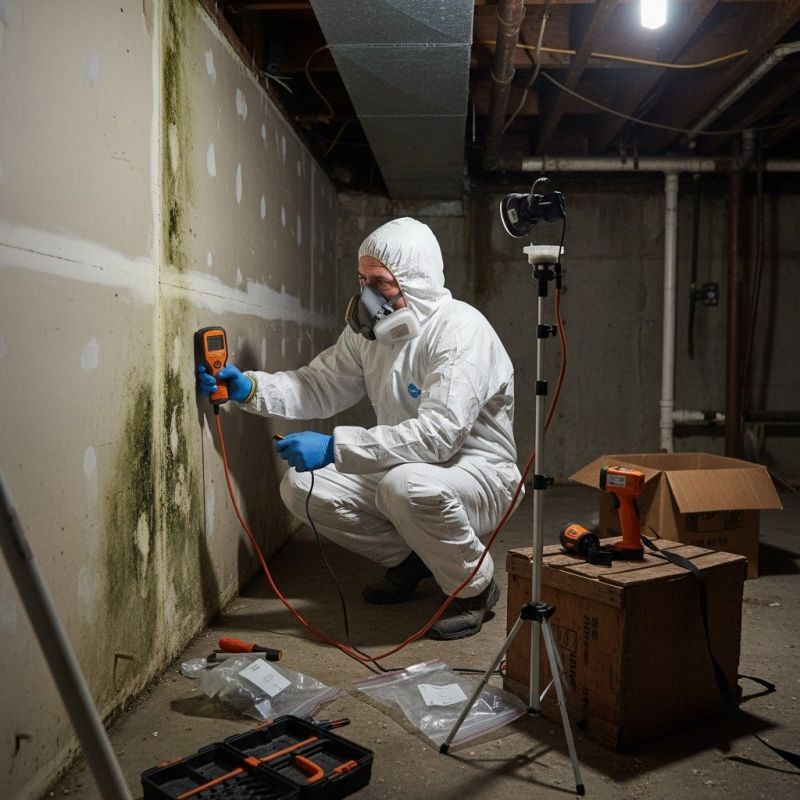
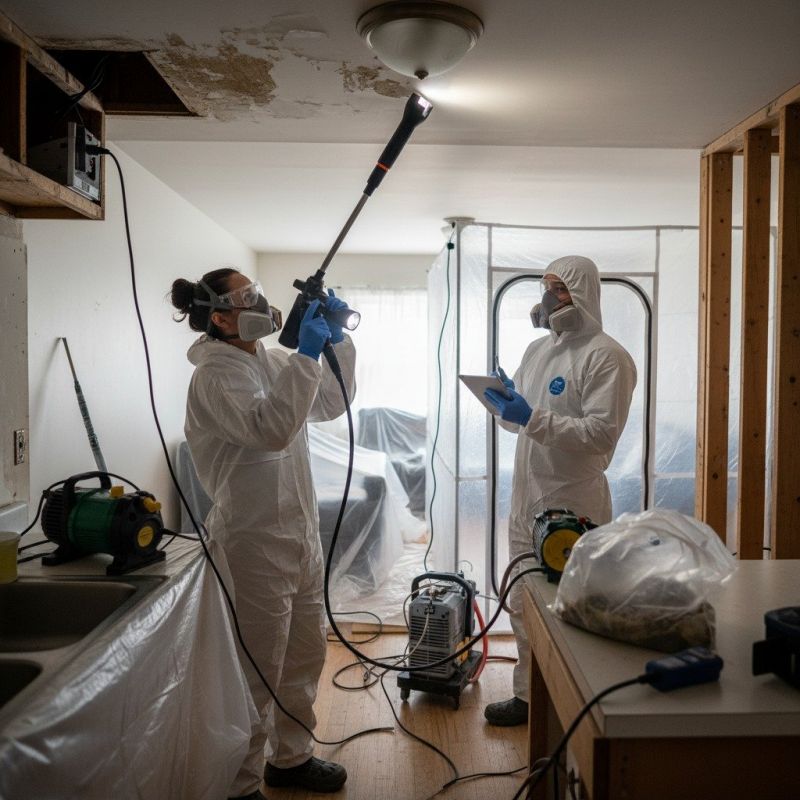
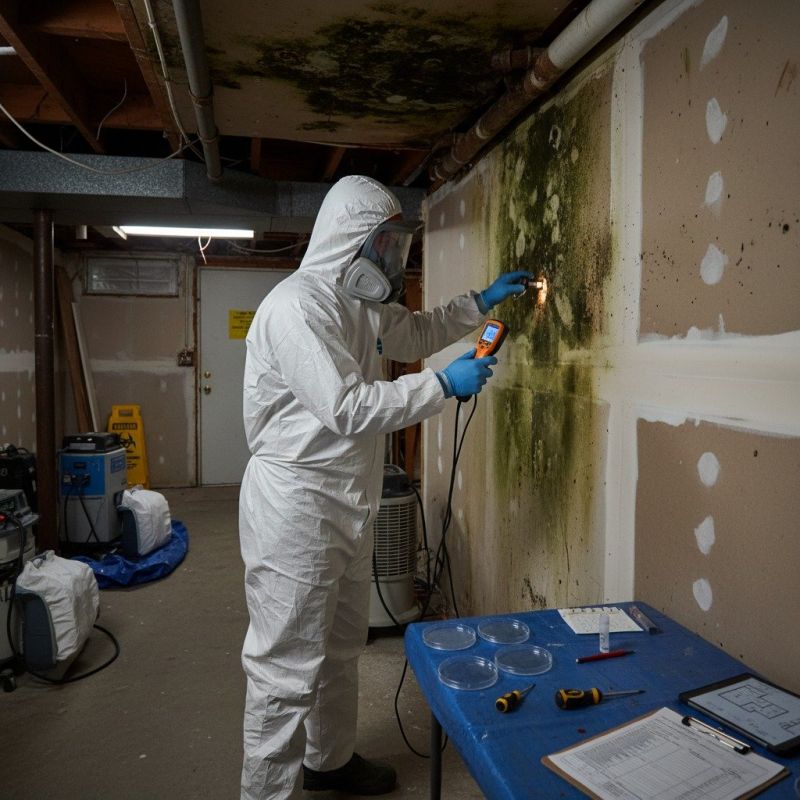
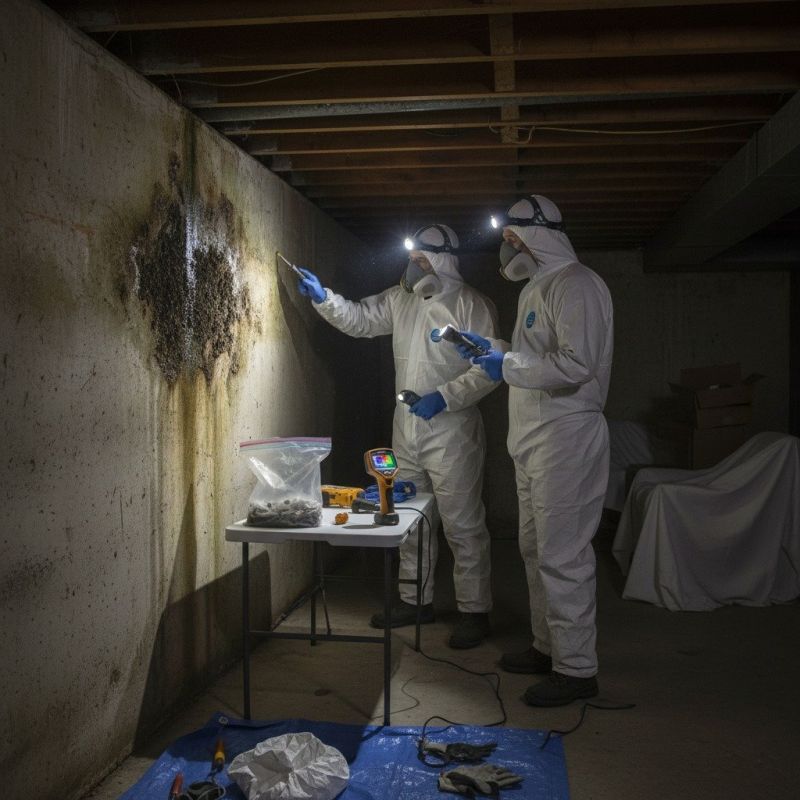
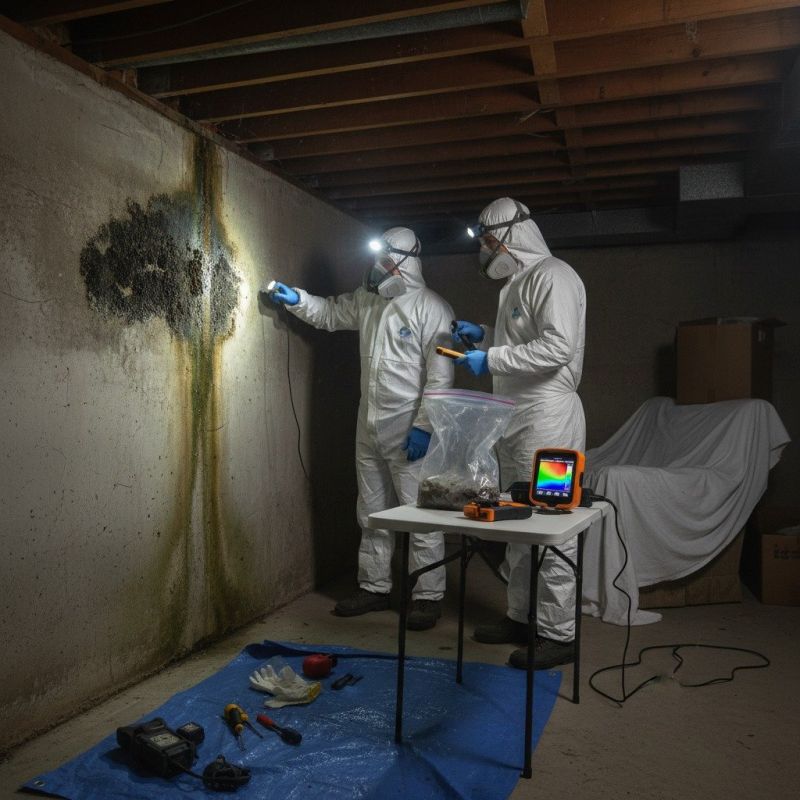
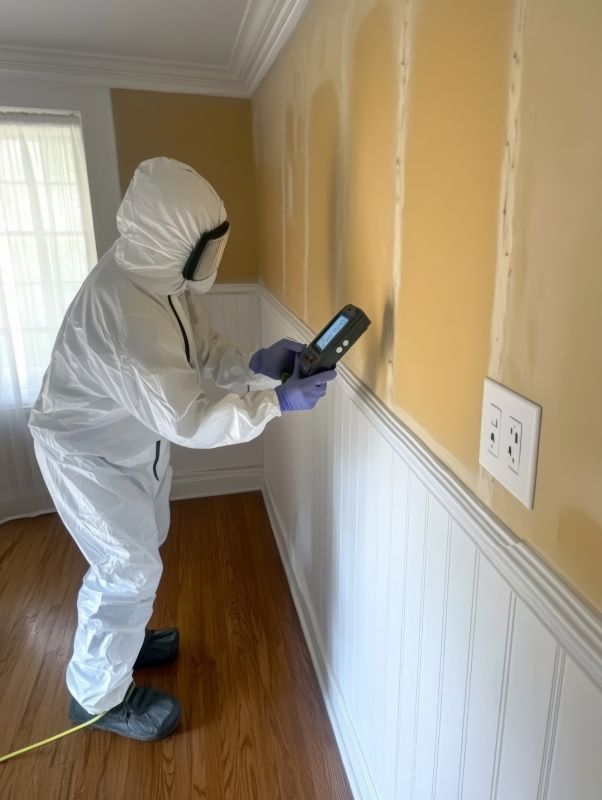
Mold inspection services involve evaluating indoor environments to identify the presence of mold and assess potential health or property concerns. Local contractors specializing in mold inspections typically perform visual assessments, moisture measurements, and sample collection to determine if mold growth is present and to what extent. Property owners often seek these services when noticing musty odors, visible mold, or experiencing unexplained allergy symptoms, especially after water damage or high humidity periods.
Connecting with experienced local service providers can help property owners understand the condition of their indoor spaces and determine if remediation is necessary. These professionals are equipped to conduct thorough inspections, provide detailed findings, and recommend appropriate next steps. By comparing local pros, individuals can find the right match for their specific needs and ensure a professional approach to mold assessment.
This guide provides clear information to help compare and evaluate nearby mold inspection service providers. It assists in understanding what to look for when choosing local contractors for mold-related concerns. The goal is to help visitors gather the basics needed to connect with qualified professionals in their area.